
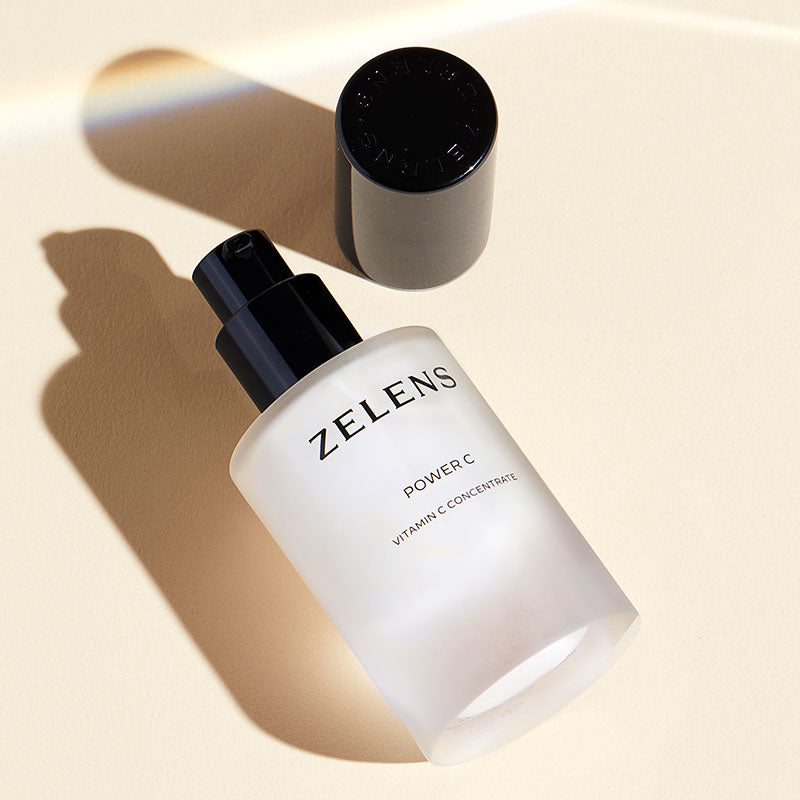

INTRODUCING COLLAGEN SOLUTION FIRMING SERUM FOR FACE AND NECK
What Is Collagen, and Why Does It Matter for Skin?
Collagen stands as the most abundant protein in the human body, serving as the fundamental structural scaffold of the dermis—the deeper layer of the skin responsible for its firmness, density, and resilience. Within the skin, Type I collagen is the predominant form, acting as the primary biological "anchor" that maintains skin tautness and the youthful appearance of lift.
Beginning in our mid-twenties, the body’s intrinsic capacity for collagen synthesis begins a steady decline. This physiological shift is compounded by the cumulative burden of environmental stressors, most notably ultraviolet (UV) radiation, which triggers the upregulation of matrix metalloproteinases (MMPs) that degrade existing collagen fibers. As we transition into the menopausal years, the drop in estrogen levels further exacerbates these changes, leading to a marked reduction in dermal thickness, diminished elasticity, and more visible signs of ageing.

Collagen science is highly complicated
Structurally, collagen is a triple helix composed of polypeptide chains. While many cosmetic formulations claim to "infuse" collagen into the skin, the molecular weight of intact collagen proteins is significantly too large to penetrate the stratum corneum—the skin’s primary barrier. Consequently, topical collagen typically functions as a humectant, providing temporary surface hydration.
To effectively address collagen loss and the visible signs of aging, one must focus on stimulating the skin’s own ability to produce collagen efficiently.

The only meaningful way to address collagen loss is to support the skin’s own ability to produce it efficiently.
Shop Dr Marko Lens latest skincare innovation Collagen Solution Firming Serum